Clear Crypto Tax and Security Education for Canadian Residents

Welcome. CanadaIndependent-edu.com is an independent educational blog about crypto taxation concepts, CRA record-keeping, and security awareness for people in Canada. We do not sell products, promote platforms, or provide investment advice. Choose a guide and read at your own pace.

Person reviewing crypto tax and security education materials

Choose your guide

Crypto tax education for Canadian residents
CRA Essentials readers

Continue below for plain-language explanations of CRA-related tax concepts, annual crypto reports, transaction records, and record-keeping habits. This section is educational only and does not recommend any tax software or platform.

Crypto security and legal education for Canadians
Wallet Safety readers

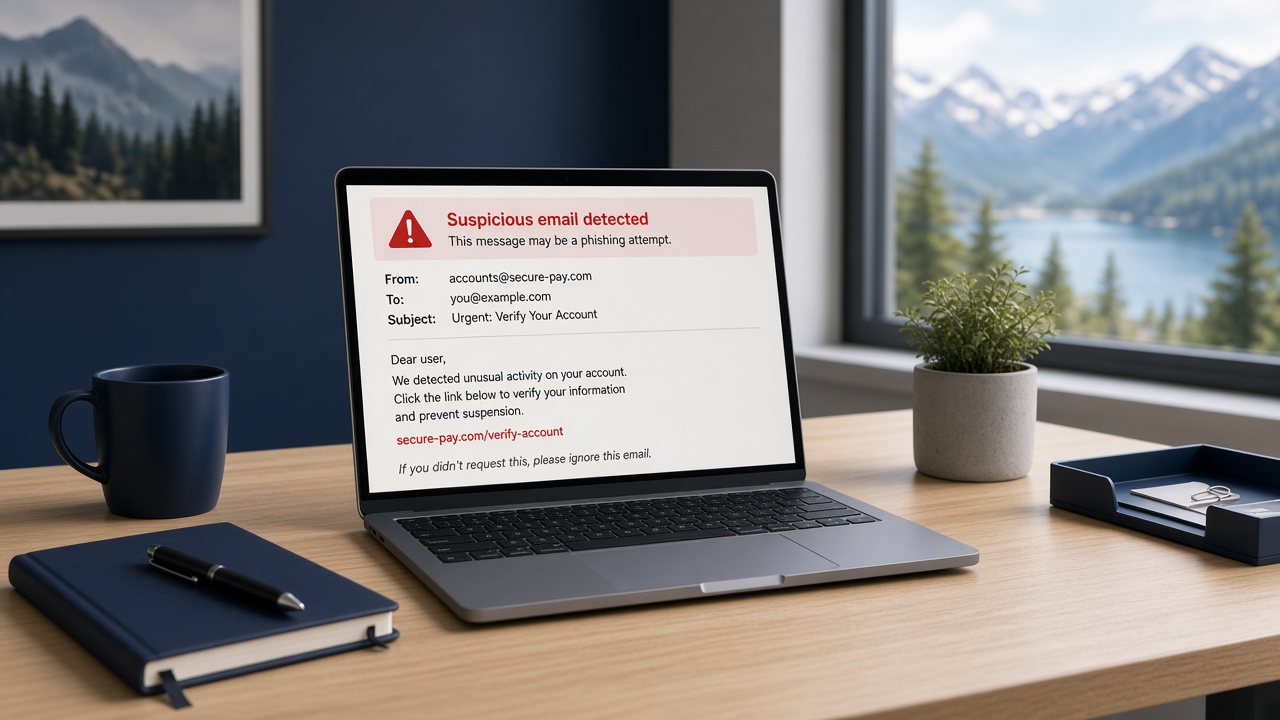
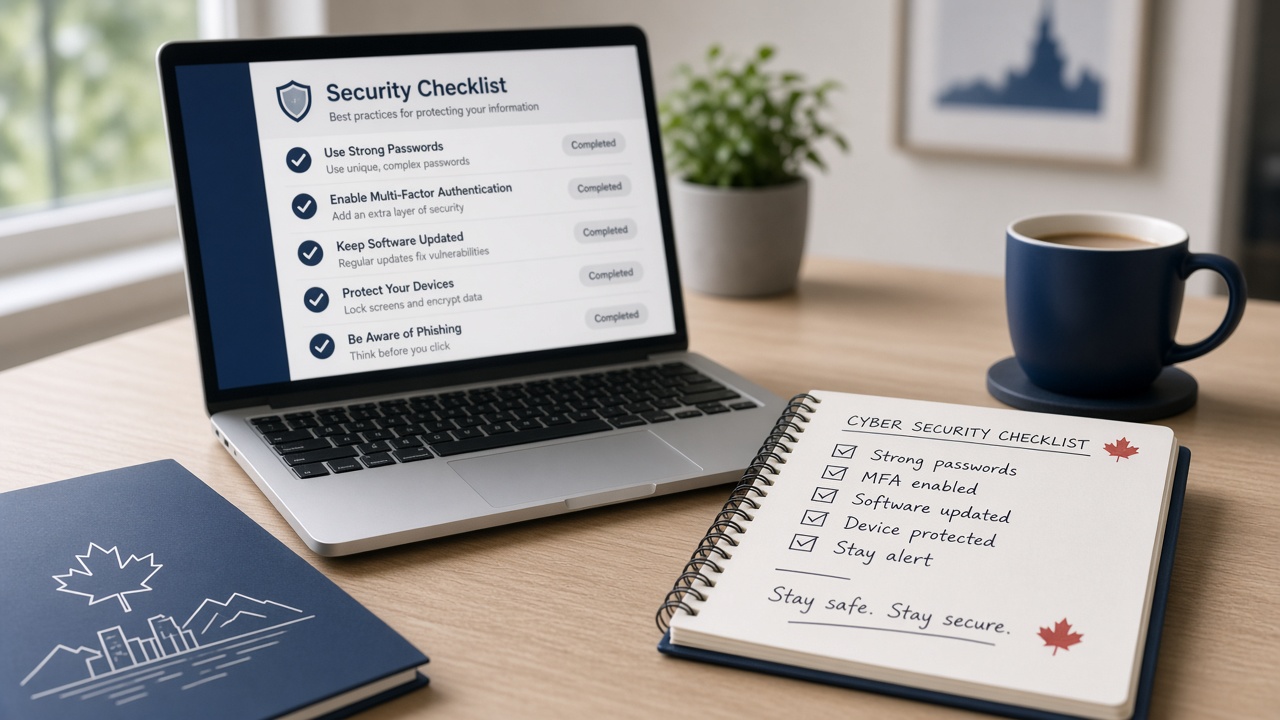
Open the security guide for articles about wallet protection, phishing awareness, legal concepts for Canadian residents, and how to verify information before clicking — without endorsing any service.

Who We Are

CanadaIndependent-edu.com is a non-commercial educational blog for Canadian residents who want to understand crypto taxation concepts, Canada Revenue Agency (CRA) record-keeping expectations, and crypto security awareness. Our goal is to explain complex topics in accessible language without offering personalised tax advice, legal advice, investment advice, or recommendations for particular products or platforms. We are not affiliated with any exchange, wallet vendor, tax preparer, or financial service. In every section, we distinguish general educational information from advice about an individual situation. Tax and security decisions can depend on a person's circumstances, tools, and risk tolerance, so there is no single checklist that fits every reader. Our content is designed for learning and informed record-keeping rather than commercial recommendations.

Educational materials about crypto tax and security in Canada

Who This Helps

Everyday crypto users in Canada
Everyday Crypto Users

Our readers include Canadian residents who hold or transfer cryptoassets and want to understand basic tax and security concepts. They may be asking how transactions are reported, what records to keep, or why security messages look convincing. The blog provides plain-language explanations without assuming specialist tax or cybersecurity knowledge. The emphasis is on understanding concepts and asking better questions.

Readers focused on record-keeping
Record-Keeping Learners

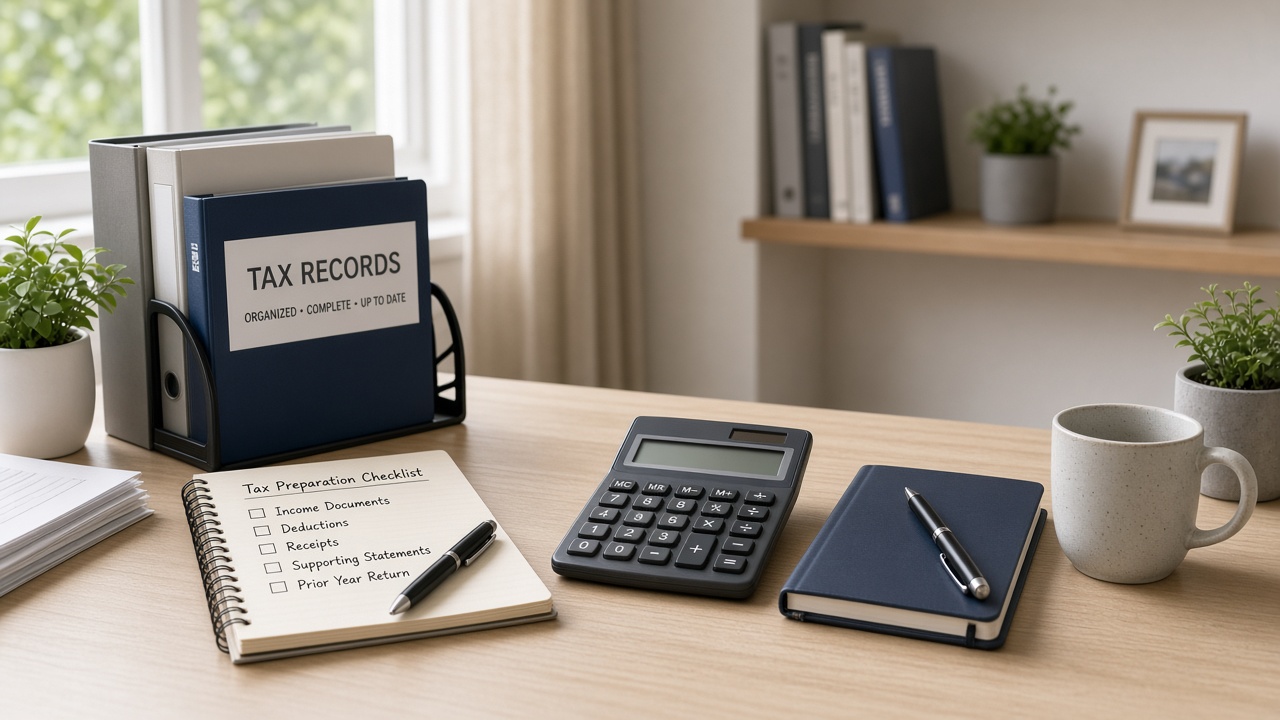
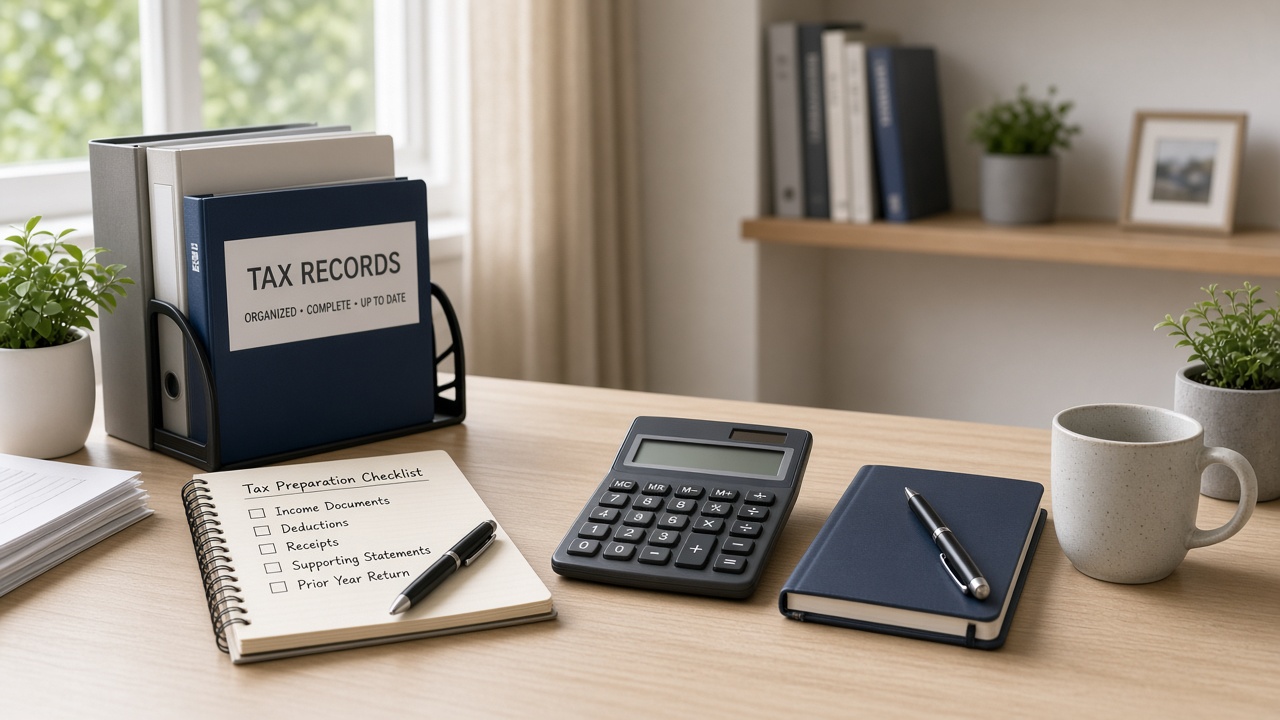
Some readers are less focused on security tactics and more interested in building organised transaction records. They may have exchange statements, wallet histories, or fee logs to reconcile. Our educational material explains how records support tax reporting concepts without recommending specific software or services. In all cases, the aim is education rather than filing assistance.

Readers researching legal and tax topics in Canada
Curious Legal and Tax Researchers

Another group consists of Canadian residents who simply want to understand how CRA guidance, legal concepts, and security risks are described before making assumptions about their own circumstances. We provide neutral background on record-keeping habits, common reporting concepts, and why independent verification matters. The blog does not determine a reader's individual tax position and does not recommend platforms, advisers, investment products, or specific purchases.

Disclaimer

The information on this blog is general educational material only. It is not tax advice, legal advice, financial advice, investment advice, or personalised security advice. It does not include tips, forecasts, calculators, or technical analysis, and it does not recommend any platform, wallet, token, or product. CanadaIndependent-edu.com has no commercial affiliations with crypto projects or service providers. For personal tax or legal questions, consult a qualified professional in Canada.

How to Read an Annual Crypto Report

An annual crypto report from an exchange or record-keeping tool should be read as a summary of activity rather than as a complete tax filing document. When reviewing a report with Canada/CRA concepts in mind, first check whether it separates transaction types clearly: purchases, sales, transfers, fees, and any income-related entries.

For Canadian residents researching crypto tax education, the next step is to understand what each line item represents. A transfer between your own wallets, a trade on an exchange, and a network fee are related but not identical for record-keeping purposes. Treating them the same can make reconciliation harder later.

Pay particular attention to dates, amounts in Canadian dollars where shown, fee columns, and whether the report covers the full calendar or tax year you need. Educational guidance often emphasises comparing exchange statements with wallet histories and noting gaps where data may be missing.

Finally, compare any report with CRA's published guidance on cryptoassets and your own transaction log. A general article is only as useful as the reader's willingness to verify figures independently. If something is unclear, investigate the underlying concept before relying on a summary alone.

Reviewing annual crypto reports for Canadian records

Crypto tax and records articles

The articles below focus on taxation concepts and record-keeping for Canadian residents. If you want security and legal topics, open the Wallet Safety.

Understanding cryptocurrency taxation in Canada

Understanding Cryptocurrency Taxation in Canada

Canadian residents who hold or trade cryptoassets may encounter tax reporting concepts that differ from traditional bank accounts. Understanding how transactions are generally described for record-keeping can make annual reconciliation clearer. This subject is educational: CanadaIndependent-edu.com does not provide tax filing services or promote specific brands.

Canada Revenue Agency and cryptoassets

Canada Revenue Agency (CRA) and Cryptoassets

The CRA publishes guidance on how cryptoassets may be treated for tax purposes in Canada. Understanding what the agency describes publicly helps readers ask informed questions. The framework here is educational and independent of any tax preparer or platform.

Crypto transaction fees and Canadian records

How Crypto Transaction Fees Work for Canadian Records

Network fees and exchange charges appear on statements and block explorers. Understanding how fees are recorded is useful for anyone maintaining transaction logs in Canada. When exploring fee concepts, it is important to separate education from product endorsements.

Exchange accounts compared with self-custody for records

Exchange Accounts Compared With Self-Custody

Cryptocurrency activity can be tracked through exchange accounts or personal wallets. These approaches differ in who holds records and how transfers appear. Understanding the differences is educational and does not recommend one commercial option over another.

How to Keep Records Without Recommending a Platform

Record-keeping habits can appear under several names, including transaction logs, cost basis notes, exchange exports, and wallet history backups. Understanding how they are described is useful when studying CRA-related concepts and when reconciling annual activity.

Start by identifying exactly what each record represents. An exchange trade history, a wallet transfer, and a network fee receipt should not be treated as identical simply because all mention crypto. These entries may serve different purposes in a personal log.

For educational purposes, compare dates, amounts, fee columns, and whether the source covers the full period you need. Independent tax education often emphasises keeping originals from each platform rather than relying on a single consolidated view.

The question of whether a record is complete should therefore be considered alongside the underlying transaction rather than the file format alone. A familiar spreadsheet template does not independently prove accuracy. Its usefulness depends on the data entered and how it was verified.

This approach allows readers to understand record-keeping habits without endorsing a particular exchange, tax software, spreadsheet tool, or service. The purpose is simply to make incomplete or inconsistent records easier to recognise and improve.

Crypto record-keeping education for Canadians

Our Phone

+14169152840

Our Office

100 King Street West, Suite 5700, Toronto, ON M5X 1C7, Canada

© CanadaIndependent-edu.com 2026 - Independent educational content for Canada. All Rights Reserved